As an Amazon Associate I earn from qualifying purchases.
Updated November 2026
A vanderbilt critical care boot camp is an intensive training program, and this guide shows you how to evaluate one before you commit. You will learn how to confirm what a program covers, check the details that matter, and decide whether it fits your goals. Because this site focuses on footwear, we also cover the practical gear side of boot camps, from the boots you may need on the floor to how to keep them in shape.
What a Critical Care Boot Camp Usually Involves
Critical care boot camps are short, concentrated training courses. They typically combine classroom instruction with hands-on practice, often in simulated clinical settings. Content tends to focus on monitoring, assessment, and response to life-threatening conditions, though the exact mix varies by program. Because schedules and formats change, you should never rely on general descriptions alone. Check the official source for current course content, prerequisites, and delivery format before making plans.
Shopping for one? See our guide: Care Packages for Army Boot Camp: 5 Best Picks for Recruits (2026).
Step 1: Confirm the Program Details
Start by gathering the facts directly from the organizer. A reliable program will state its learning objectives, the credentials or certificates you will receive, and any continuing education value. Write down the questions you need answered:
- What topics are covered, and how many hours are spent on hands-on practice?
- Who is eligible, and what prerequisites or licenses are required?
- What format is used (in person, online, or a blend)?
- How are outcomes assessed, and what documentation do you receive?
- What is the current schedule and cancellation policy?
For dates, hours, location, and ticket or enrollment details, check the official site or call ahead to confirm availability. Information changes, and a quick confirmation saves frustration.
Step 2: Match the Course to Your Role
A boot camp is only useful if it fits the work you actually do. Nurses, paramedics, respiratory therapists, and other clinicians may each get different value from the same course. Compare the curriculum against your daily responsibilities and your employer’s expectations. If your facility requires specific competencies, ask whether the program addresses them. Keep your notes organized so you can compare two or three options side by side.
Step 3: Plan Your Physical Setup
Intensive training means long days on your feet, and that is where footwear matters. Many programs involve standing for hours in hospital-style environments and moving quickly between stations. Before you attend, check whether the program has a dress code or footwear policy, since some facilities require closed-toe, non-slip shoes. Consider these points when choosing what to wear:
- Closed-toe shoes or boots that meet the program’s dress code.
- Slip-resistant outsoles, verified by the maker’s stated ratings rather than marketing claims.
- A break-in period. Wear new footwear for several shorter days before a full training week.
- Cushioned, supportive insoles if you stand for long stretches.
| Factor | What to Check |
|---|---|
| Dress code | Closed toe, approved colors, any safety requirements |
| Slip resistance | Maker’s stated rating for the outsole |
| Comfort | Fit at the end of the day, not just the morning |
| Durability | Materials suited to repeated wear and cleaning |
For guidance on choosing between common work footwear types, see Steel Toe vs Composite Toe Work Boots: Which Should You Choose? and Leather vs Synthetic Work Boots (2026): Which Is Better for Daily Job Sites?.
Step 4: Prepare Before Day One
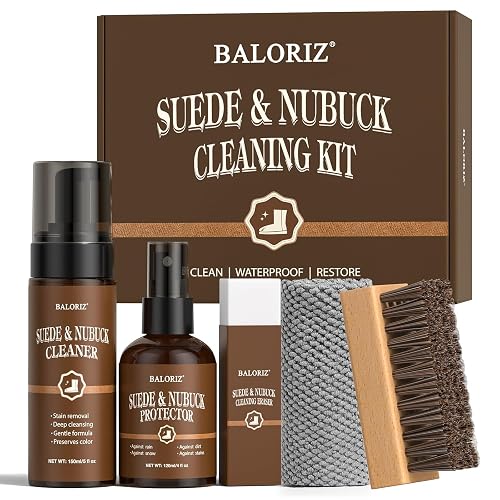
Preparation makes a short course far more productive. Review any pre-course materials, confirm your schedule, and pack what you need. Clean and condition your footwear so it looks presentable and performs well. If you own leather boots, a proper cleaning routine helps protect them from daily wear. You can find step-by-step cleaning advice in How to Clean Boots Without Damaging Them: A Step-by-Step Guide.
Common Mistakes to Avoid
- Enrolling without confirming prerequisites or the credential you will receive.
- Wearing brand-new footwear to a full-day training session.
- Assuming a program’s dress code without checking it in writing.
- Ignoring hands-on hours when the course is mostly lecture.
- Skipping the cancellation and refund policy.
Recommended Gear
Choose footwear with a stated slip-resistant outsole and comfortable cushioning for long standing days. Pick a pair that meets any dress code you have confirmed.
- Work-style lace-up boots suit long shifts and facility dress codes. Look for leather uppers and a stated slip-resistant sole. View on Amazon
- Replacement insoles add cushioning for hours on hard floors. View on Amazon
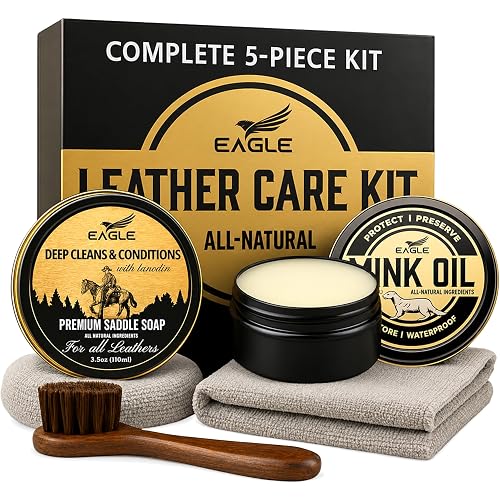
- Leather boot care kit keeps your footwear clean and presentable across multiple training days. View on Amazon
FAQ
Do I need a medical license to attend a critical care boot camp?
Requirements differ by program. Some courses are designed for licensed clinicians, while others accept students with related training. Confirm eligibility directly with the organizer before you register.
Will I receive a certificate?
Many programs provide documentation of completion, but the type and value vary. Ask what you will receive and whether it counts toward continuing education in your field.
What should I wear on the first day?
Follow the dress code listed by the program. Choose closed-toe, comfortable footwear with a slip-resistant sole, and break it in beforehand.
How do I find current dates and details?
Check the official program website or call the organizer. Dates, schedules, and enrollment details can change, so always verify them before making travel or work plans.
Is online training as useful as in-person?
It depends on the course. Hands-on skills usually require in-person practice, so review how much of the program is practical before choosing a format.
Conclusion
A vanderbilt critical care boot camp can be a valuable step if it matches your role and goals. Confirm the details with the official source, check that the content fits your work, and prepare with footwear that meets the dress code and keeps you comfortable. Careful planning turns a demanding course into a productive experience.