Updated November 2026
Full grain leather boot care comes down to three habits: clean off dirt before it works into the grain, condition the leather so it stays flexible, and dry and store the boots properly after every wear. Do those things consistently and a good pair of full grain boots can last many years, often outlasting the soles you replace along the way. This guide walks through each step in order.
What Makes Full Grain Leather Different
Full grain leather is the top layer of the hide, with the natural surface and grain left intact. It is denser and stronger than corrected or split leather, and it tends to develop a patina rather than cracking when it is cared for. That same natural surface is also more open to absorbing moisture and oils, which is why it responds well to regular conditioning but can stain if you ignore dirt. Manufacturers often describe full grain uppers as breathable and durable, and those qualities depend heavily on how you maintain them. Before you start, check the boot’s label or the maker’s care card, since some boots carry coated or treated finishes that need slightly different products.
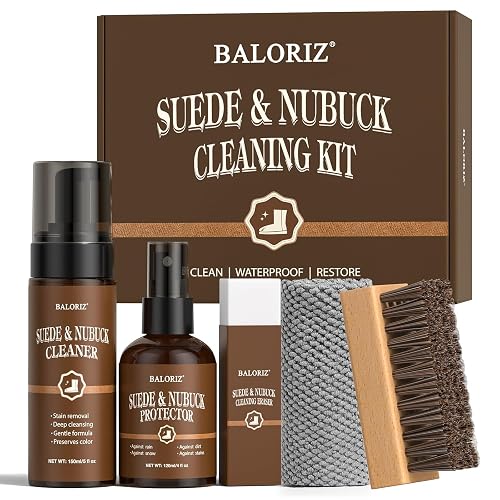
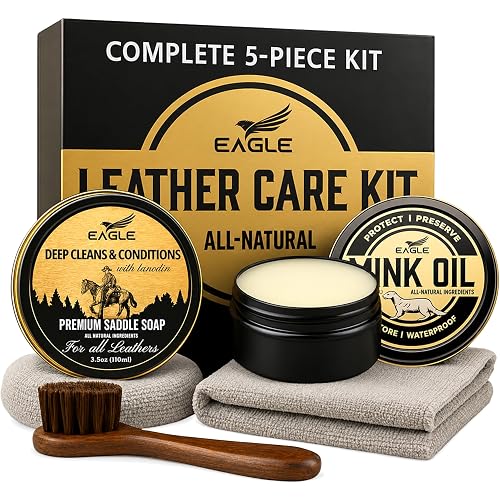
Shopping for one? See our guide: 6 Best Boot Care Gift Sets: Top Picks for Leather Boots (2026).
Gather the Right Supplies
You do not need a large kit, but a few basics make the work easier and reduce the risk of damaging the leather:
- A soft-bristled boot brush or horsehair brush for dry dirt
- A soft cloth or sponge and a mild saddle soap or leather cleaner
- A pH-balanced leather conditioner, preferably a neutral cream or balm
- Cedar shoe trees or stuffing paper to hold the shape while drying
- A clean, dry cloth for buffing and a shoe polish only if you want color
Avoid household oils, petroleum jelly and heavy silicone sprays unless the maker specifically approves them, as these can clog the pores or darken the leather unevenly.
Step-by-Step Cleaning and Conditioning
Step 1: Remove loose dirt
Once the boots are dry, brush off dust, mud and grit in short, firm strokes. Pay attention to the welt, the stitching and the creases over the toe, where grit collects. Dirt left in place can scratch the surface when you clean it, so brushing first matters.
Step 2: Clean with a damp cloth
Dampen a cloth lightly, apply a small amount of leather cleaner or saddle soap, and work in gentle circles. Wipe away the residue with a barely damp cloth. Do not soak the leather, and do not scrub hard on a dried stain.
Step 3: Let the boots dry naturally
Let the boots air dry at room temperature, away from radiators, heaters and direct sun. Insert shoe trees or stuffed paper right away so the leather keeps its shape. Drying can take many hours, and rushing it with heat can cause stiffness and cracking.
Step 4: Condition the leather
Once the leather is dry to the touch, apply a thin layer of conditioner with a soft cloth. Work it in with small circular motions, then let it absorb for the time the product label specifies. Buff off any excess. Conditioning replaces the natural oils lost through wear and weather and helps prevent the surface from drying out.
Step 5: Polish only if needed
Polish adds color and a bit of shine but is not required for maintenance. If you use it, match the shade to the boot and apply sparingly. Too much polish builds up in the grain and can make the leather look dull over time.
Protecting Full Grain Boots From Water and Salt
Full grain leather resists water better when it is treated, but it is not waterproof on its own. After conditioning, a suitable water-repellent treatment can help rain bead up instead of soaking in. Reapply it according to the product directions, usually after several wearings or whenever water stops beading. In winter, salt and road grime are harder on leather than dust, so wipe boots down after each wet day rather than letting salt dry on the surface. Salt stains can lift the finish and dry out the grain if left alone. For a detailed walkthrough, see our guide on How to Waterproof Leather Boots: A Step-by-Step Guide That Works.
Storage and Routine Care Schedule
Store boots in a cool, dry place with shoe trees inside and enough space for air to circulate. Keep them out of plastic bags, which trap moisture. Use a schedule that matches how often you wear them:
| Frequency | Task |
|---|---|
| After each wear in wet or dirty conditions | Brush off dirt and wipe off salt or mud |
| Every 2 to 4 weeks of regular wear | Clean with a damp cloth and a mild cleaner |
| Every 1 to 3 months, or when the leather looks dry | Condition and buff |
| Before long-term storage | Clean, condition and store with shoe trees |
If you are considering a new pair, compare materials first; our overview of Leather vs Synthetic Work Boots (2026): Which Is Better for Daily Job Sites? can help you decide what fits your work.
Common Mistakes to Avoid
- Using too much conditioner, which can leave the leather greasy and attract dirt
- Drying boots near a heater or in direct sunlight, which can crack the leather
- Skipping shoe trees, which lets the toe box and heel collapse
- Scrubbing hard at stains instead of lifting them gently with a damp cloth
- Storing boots in sealed plastic, which traps moisture and can cause mildew
- Applying products before the leather is fully dry
Tips for Making Care Easier
Build care into your routine by keeping brushes and conditioner near the place you take boots off, so you clean them the same day. Test any new product on a small hidden spot first, such as the inside of the tongue, and wait a day to see how it looks. Rotate between two pairs when possible so each has time to dry fully between wears. Small, frequent habits do more than occasional deep cleaning sessions.
FAQ
How often should I condition full grain leather boots?
For regular wear, conditioning every one to three months is a common guideline. Check the leather: if it looks dull, feels stiff or shows fine creases, it is probably time. Boots worn in harsh weather may need it more often.
Can I clean full grain leather boots with water alone?
A lightly damp cloth can remove surface dust, but water alone does not lift oily grime or salt well. A mild leather cleaner gives better results without stripping the leather’s natural oils.
Is full grain leather waterproof?
Not by default. Full grain leather resists moisture better than many materials, but it still absorbs water over time. A water-repellent treatment applied after conditioning helps keep it dry in wet conditions.
What should I do if my boots get soaked?
Remove any insoles and laces, stuff the boots with paper or shoe trees, and let them dry slowly at room temperature. Once dry, clean and condition them. Avoid direct heat, which can crack the leather.
Can I use shoe polish on every care session?
No. Polish is only needed for color or shine. Applying it too often can build up in the grain and dull the finish, so use it occasionally and sparingly.
Conclusion
Full grain leather boot care is mostly about consistency: brush off dirt, clean gently, dry slowly, condition regularly and store properly. Following a simple schedule protects the leather, keeps the fit comfortable and helps your boots age well. If you have a specific stain, damage or repair concern, a professional boot repair service can advise you on the best approach.
Ready to choose one?