As an Amazon Associate I earn from qualifying purchases.
Updated November 2026
Women’s outfits with combat boots come down to balance: pairing a heavy, utilitarian boot with pieces that either contrast it or echo its lines. This guide shows you how to build those outfits step by step, from choosing the right boot shape and height to matching bottoms, tops and layers. By the end, you will have a reliable formula you can adapt for work, weekends and cold weather.
Start With the Right Combat Boot
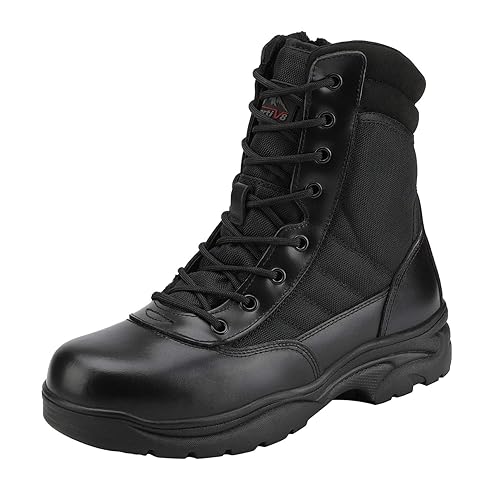
Before you think about outfits, the boot itself sets the tone. A classic lace-up combat boot with a chunky sole reads rugged, while a slimmer, lower-profile version reads more polished. Your choice affects everything else you wear.
Check the silhouette
Look at three features: the toe shape (round, almond or square), the sole thickness, and the shaft height. A round toe with a moderate sole is the most versatile for everyday looks. A square toe and thick sole push the outfit toward streetwear or utility styling.
Check the shaft height
Ankle-height boots sit at or just above the ankle bone and work easily with cropped trousers and midi skirts. Mid-calf and tall styles need more coverage at the leg, so they pair better with skinny jeans, tights or a longer hemline. Measure your leg before buying if you plan to wear the boot under pants, since a shaft that is too narrow can bunch fabric awkwardly.
Check the fit
A boot that fits well will look intentional. Stand in the boots with the socks you plan to wear, and confirm your heel does not lift more than a little when you walk. Your toes should have room without sliding. Most leather combat boots need a short break-in period, so expect some stiffness the first few wears.
Step-by-Step: Building an Outfit Around Combat Boots
Once the boot is chosen, build the outfit in a fixed order. This keeps the look cohesive and prevents the boot from overwhelming everything else.
- Pick the boot’s visual weight. Decide whether the outfit should be heavy (thick sole, dark leather, bold laces) or light (matte finish, slim profile).
- Choose the bottom. Trousers, a skirt or a dress come next, because the bottom determines how much boot shows.
- Match the top to the bottom’s weight. A fitted top balances a wide bottom. A relaxed top balances a slim one.
- Add a layer. A jacket, blazer or cardigan frames the outfit and fixes proportion problems.
- Finish with one accent. A belt, bag, earring or lace color repeats the boot’s tone and ties everything together.
Pair with jeans and trousers
Straight-leg and wide-leg jeans work well with ankle combat boots because the hem sits just over the boot’s top. Skinny jeans can be tucked into a taller boot, but check that the fabric is not bunching at the knee. Cropped flared trousers look sharp with ankle boots and a fitted knit.
Pair with skirts and dresses
Midi skirts, slip skirts and A-line dresses all look good with ankle or mid-calf combat boots. Keep the hemline either fully above the boot or clearly longer than the shaft, so the transition is intentional. Tights in a neutral or dark tone make the leg line continuous and suit colder weather.
Pair with tops and layers
A tucked-in shirt, a fine-knit sweater or a simple tee all work. Oversized tops suit a slim bottom, while a tucked top suits a wide or flared leg. In cooler months, a leather jacket, denim jacket or wool coat completes the look without fighting the boot.
Outfit Formulas by Occasion
The table below gives starting formulas you can adjust for your body, climate and workplace.
| Occasion | Boot choice | Bottom | Top and layer |
|---|---|---|---|
| Casual weekend | Ankle lace-up, round toe | Straight jeans | Fitted tee, denim jacket |
| Office-friendly | Slim, low-profile ankle boot | Tailored trousers | Blouse tucked in, blazer |
| Date night | Mid-calf, polished leather | Midi skirt or slip dress | Fine-knit top, longline coat |
| Cold weather | Mid-calf, lined boot | Skinny jeans or tights with a dress | Sweater, wool coat |
| Edgy streetwear | Chunky platform, bold laces | Black cargo pants or leather pants | Cropped top or graphic tee, moto jacket |
Color, Texture and Hardware
Black combat boots are the easiest to style, since they work with most palettes. Brown leather suits earth tones, denim and cream. Burgundy and olive boots add color without requiring a bold outfit. When mixing textures, pair smooth leather with soft knits or matte denim, and avoid stacking several shiny materials at once.
Hardware such as buckles, zips and eyelets should match the metal in your bag and jewelry where possible. Silver hardware pairs with cool tones, while brass or gold suits warm ones.
Common Mistakes to Avoid
- Hemming trousers to the wrong length. A hem that lands mid-shaft looks accidental. Aim for just above the boot or a clear break over it.
- Wearing a bulky sole with a bulky bottom and top. Three heavy pieces make the outfit look heavy. Keep at least one element slim.
- Ignoring the sock. A visible thick sock with a thin trouser looks off. Choose a sock height that matches the boot and stays hidden or intentional.
- Buying a size that is too big for the look you want. Oversized boots can look sloppy, especially with tapered pants.
- Skipping the break-in. Stiff new boots rub and cause you to adjust your posture, which shows in how the outfit sits.
Tips for Everyday Wear
- Keep one pair of neutral socks and one pair of darker socks so you can adjust the look quickly.
- Condition leather boots every few weeks in dry climates to keep them supple and avoid cracking.
- Rotate boots if you wear them daily, so the leather and lining can dry fully between wears.
- Test a new outfit by walking, sitting and climbing stairs in it before you leave the house.
Recommended gear
These items help you keep combat boots looking sharp and wearable across seasons.
- Leather conditioner for combat boots. A conditioner keeps smooth leather flexible so it does not crack at the flex point, which matters for daily wear. View on Amazon
- Boot laces in a matching color. Swapping laces is the fastest way to adjust a boot’s look for a specific outfit. View on Amazon
- Boot socks sized for your boot height. The right sock height prevents visible bunching and keeps the outfit proportioned. View on Amazon
- Boot brush for leather and suede. A dedicated brush removes dust and dried dirt that dull the finish between conditioning. View on Amazon
For more on specific boot types, see 6 Best Lace-Up Fashion Boots for Women: Picks Compared (2026) and 10 Best Fashion Boots for Women: Picks Compared (2026). If you are shopping for a leather option, 7 Best Leather Fashion Boots for Everyday Style (2026) covers finish and fit in more detail, and 6 Best Ankle Fashion Boots for Everyday Wear (2026) suits shorter silhouettes. For care routines, 6 Best Boot Care Products: Picks for Leather, Suede and Work Boots explains which products fit each material.
FAQ
What bottoms look best with combat boots?
Straight-leg jeans, wide-leg trousers, midi skirts and slip dresses all work well. The key is keeping the hem either just above the boot or clearly longer than the shaft.
Can I wear combat boots with a dress?
Yes. A midi or A-line dress with ankle or mid-calf combat boots is a common and practical pairing. Tights in a neutral or dark tone help the transition between dress and boot look intentional.
Are combat boots suitable for office wear?
It depends on the workplace dress code. A slimmer, low-profile boot in black or dark brown with tailored trousers or a blazer tends to read as polished. Check your office’s expectations before wearing them daily.
How tall should combat boots be if I wear skinny jeans?
Ankle boots work with skinny jeans when the jeans hem sits just over the shaft. Taller boots can be worn with skinny jeans tucked in, but check that the fabric does not bunch at the knee.
What colors go with black combat boots?
Black boots pair with nearly any color. Neutrals like cream, grey and navy create a clean look, while brighter tones like red or mustard add contrast.
How do I break in new combat boots?
Wear them for short periods around the house first, then gradually extend wear over several days. Use thick socks during break-in and avoid long walks until the leather softens.
Should I match my boot laces to my outfit?
Matching or contrasting laces is a simple way to change a boot’s look. Dark laces suit subtle styling, while colored laces can add a deliberate accent that repeats a color in your bag or top.
Conclusion
Women’s outfits with combat boots work best when you build around the boot’s visual weight, choose a bottom that suits its shaft height, and add one deliberate accent. Start with the formulas in the table, then adjust for your climate and workplace. A well-fitted, broken-in boot will do most of the styling work for you.