As an Amazon Associate I earn from qualifying purchases.
Updated November 2026
Cadillac boot and shoe care ingredients fall into a few familiar groups: cleaners, conditioners, waxes and protectants. Knowing what each one does helps you pick a product that keeps leather supple without clogging pores in the material, staining suede or breaking down stitching. This guide explains the main ingredients, how to read a label, and which combinations to avoid.
Understanding What Boot and Shoe Care Products Do
Most boot care products do one of four jobs. Cleaners lift dirt, salt and old polish. Conditioners replace the oils that leather loses as it dries and flexes. Waxes and creams add a protective layer that sheds water and resists scuffs. Protectants, often silicone or fluoropolymer based, repel moisture and stains on the surface without changing the look much.
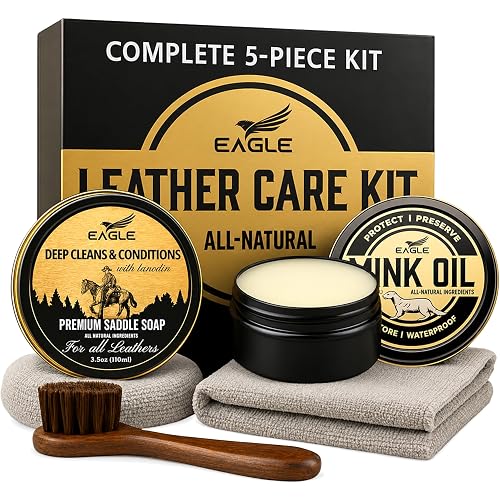
Shopping for one? See our guide: 6 Best Boot Care Gift Sets: Top Picks for Leather Boots (2026).
Cadillac-branded boot and shoe care lines are typically sold as a set of these categories rather than a single formula. Check the individual label for each product rather than assuming the whole line works the same way on every material.
Key Ingredients in Leather Conditioners and Creams
Leather conditioners usually rely on a blend of natural and synthetic oils and waxes. Common ones include mink oil, neatsfoot oil, lanolin, beeswax, carnauba wax and paraffin. Oils soften the fibers, while waxes sit on the surface and slow water absorption. Many owners prefer a conditioner with a balance of both, since oil alone can over-soften and wax alone can leave a stiff, dry feel.
Look for listed ingredients rather than marketing terms like “nourishing” or “premium.” A short, recognizable ingredient list usually means a simpler, more predictable formula.
Ingredients That Can Cause Trouble
Some formulas contain solvents or high levels of alcohol that can dry leather over time. Heavy silicone waxes may build up and make future polishing uneven. Petroleum-based products can darken lighter leathers. Test any new product on a hidden area, such as the inside of the tongue, and let it dry fully before judging the result.
Cleaners, Polishes and Suede-Specific Formulas
Cleaners for smooth leather are often mild, water-based and pH balanced. They should remove grime without stripping finish. Polishes add color and shine, and they contain pigments, binders and sometimes carnauba or beeswax for hold.
Suede and nubuck need different care. Their ingredients are usually lighter and designed to protect the nap. Avoid greasy conditioners on suede, since they darken the surface and flatten the texture. Look for a dedicated suede protector or a fine-brush cleaning formula instead.
Matching Ingredients to Your Boot Material
- Smooth leather: conditioner with oil and wax, plus a mild cleaner.
- Suede or nubuck: water and stain repellent with a suede-safe cleaner; skip heavy oils.
- Synthetic or rubber: mild soap and water; most leather conditioners are unnecessary and may leave residue.
- Waterproofed work boots: wax-based treatments help maintain the existing protective finish.
How to Read a Boot Care Label
Labels are not always complete, but they often give useful clues. Ingredients are listed in descending order by weight, so the first few items tell you what the product is mostly made of. Check the material the product is intended for, and look for directions that mention testing on a small area first.
| Label Clue | What It Usually Means |
|---|---|
| Leather conditioner with oils and waxes | Softens and protects smooth leather |
| Suede and nubuck protector | Repels water and stains while keeping texture |
| Contains alcohol or solvents | Fast-drying; may dry out leather with frequent use |
| Silicone-based protectant | Strong water repellency; can affect future polish adhesion |
Common Mistakes When Choosing Boot Care Products
- Using a conditioner meant for smooth leather on suede.
- Applying too much product, which leaves residue and attracts dirt.
- Skipping the cleaning step before conditioning or polishing.
- Switching between silicone and wax products without cleaning in between.
- Assuming a product works on every material in a brand’s range.
Recommended Gear
A soft horsehair brush helps spread cleaner and work conditioner into seams without scratching. View on Amazon
A suede brush with a brass or nylon bristle layout lifts nap and removes dry dirt before any treatment is applied. View on Amazon
Lint-free cotton cloths make it easy to apply and buff conditioner evenly. View on Amazon
FAQ
Are all cadillac boot and shoe care ingredients safe for leather?
Not all of them. Gentle oils and waxes are common in leather care, but harsh solvents or heavy silicone formulas can dry or build up on leather. Read each label and test on a hidden spot.
Can I use one product on both leather and suede?
It is generally better to use separate products. Suede needs lighter, nap-safe formulas, while smooth leather benefits from conditioning oils and waxes.
How often should I condition my boots?
Many owners condition leather every few months, or more often in dry climates or after heavy wear. Over-conditioning can soften leather too much, so start with a light coat.
Do boot care products make boots waterproof?
Some do add water resistance, but a true waterproof finish depends on the boot’s construction and materials. Treatments help maintain protection rather than replace it.
Should I consult a professional about boot care?
For valuable, vintage or heavily damaged boots, a professional leather restorer can advise on suitable products and methods.
Conclusion
Good boot care starts with understanding the ingredients. Match cleaners, conditioners and protectants to your boot material, avoid harsh solvents on suede, and test before full application. A simple routine with the right formula will keep boots looking and performing well for much longer.
Ready to choose one?