As an Amazon Associate I earn from qualifying purchases.
Updated November 2026
A snake skin boot care kit gives you everything you need to clean, condition and protect exotic leather without drying it out or cracking the scales. In this guide you will learn what to put in the kit, how to use each item in the right order, and which mistakes do the most damage to python, cobra and other snake skin boots. The steps below work for most exotic leather boots, but always check the maker’s care instructions first.
Why Snake Skin Needs Its Own Care Routine
Snake skin is not the same as smooth calfskin. The scales are separated by softer, more flexible skin, and the surface has a natural texture that holds dirt in the grooves. Many owners find that a standard shoe polish builds up in those crevices and turns dull or patchy over time. Exotic leathers also tend to dry out at a different rate than cowhide, so a conditioner that works well on smooth leather may leave snake skin looking greasy or stiff.
Shopping for one? See our guide: 6 Best Boot Care Gift Sets: Top Picks for Leather Boots (2026).
A dedicated kit is useful because it lets you match each product to the job. You clean first, then condition, then protect, and each step uses a product designed for that stage. Leather care guidance from footwear makers generally stresses gentle cleaning and light conditioning rather than heavy coats of product, and that principle applies even more strongly to exotic skins.
What Goes in a Snake Skin Boot Care Kit
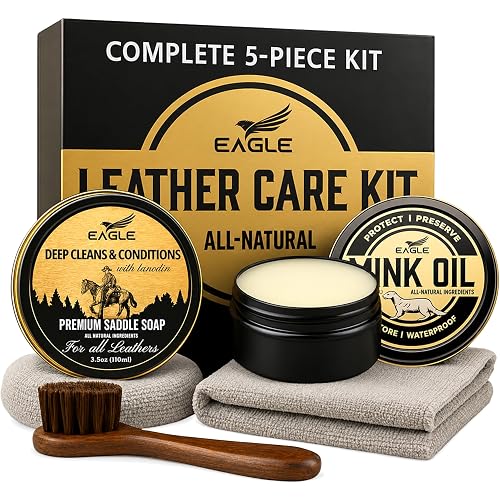
A complete kit covers five jobs: removing dust, cleaning, conditioning, protecting and buffing. You do not need a large collection of products. You do need the right tools for the texture of the leather.
- Soft-bristle brush or horsehair brush for dry dust and loose dirt, worked along the grain of the scales.
- Small detail brush or soft toothbrush for the grooves between scales, where dirt collects.
- pH-balanced leather cleaner made for exotic or fine leathers, not a general household cleaner.
- Two or three microfiber cloths, one for cleaning, one for conditioner, one for buffing.
- Mild leather conditioner formulated for exotic skins, applied in thin layers.
- Water-repellent protector labeled safe for exotic leather, if you wear the boots in wet conditions.
- Cedar shoe trees to hold the shape and help absorb moisture after wear (not technically part of the kit, but a strong companion to it).
Some kits bundle several of these items. Others sell only the cleaner and conditioner. Either works, as long as every product is listed as suitable for exotic leather. Products made for smooth cowhide can be too harsh or too heavy for snake skin.
Step-by-Step: Cleaning Snake Skin Boots
Work in a well-lit area and set the boots on a towel. Remove the laces first and, if the boots have removable insoles, take those out so you can clean the interior separately.
Step 1: Dust off loose dirt
Use the soft brush in short strokes, following the direction of the scales. Brushing across the grain can lift the edges of the scales and leave them looking rough. Pay attention to the toe box and the seams, where grit tends to settle.
Step 2: Clear the grooves
Dip the detail brush lightly in a small amount of cleaner, or use it dry if the dirt is loose. Gently work the grooves between scales. Avoid scrubbing hard; the goal is to lift grime, not to push it deeper.
Step 3: Clean the surface
Apply a small amount of leather cleaner to a damp cloth, not directly to the boot. Wipe in light, even passes. Wring the cloth well so the leather is never soaked. Test the cleaner on a hidden area, such as the inside of the shaft, first.
Step 4: Let the boots dry
Let the boots air dry at room temperature, away from heaters, direct sun and radiators. Heat can make exotic leather brittle. Stuff the boots with paper or insert shoe trees while they dry to keep their shape. Drying usually takes several hours, and longer if the leather was wet through.
Step-by-Step: Conditioning and Protecting
Conditioning replaces oils the leather loses over time. Protection adds a barrier against water and stains. Keep both light.
- Once the boots are fully dry, apply a small amount of exotic leather conditioner to a clean cloth.
- Work it into the leather in thin, circular motions, covering the scales and the softer skin between them.
- Let the conditioner absorb for the time listed on the label, usually 15 to 30 minutes.
- Buff away any excess with a dry cloth. Leftover product attracts dust and can make the surface sticky.
- If you want water protection, apply a thin coat of a protector made for exotic leather. Test it first, then let it cure fully before wearing the boots in rain.
- Give the boots a final buff with a clean microfiber cloth to restore a natural sheen.
Most owners condition snake skin boots every few months, or after they have been exposed to water or heavy wear. Boots worn daily in dry climates may need more frequent attention, while boots kept mostly in storage may need less. Watch the leather rather than the calendar: if it looks dull or feels stiff, it is ready for conditioner.
Storage and Maintenance Between Care Sessions
How you store the boots matters as much as how you clean them. Keep them in a cool, dry place away from direct sunlight, which can fade and dry out exotic leather. Use cloth dust bags rather than sealed plastic, which can trap moisture. Insert cedar shoe trees to help the boots keep their shape and absorb residual moisture from the leather. Rotate boots so the same pair is not worn every day, which gives the leather time to recover.
Common Mistakes to Avoid
- Using a general household cleaner. Many contain harsh solvents or alkaline agents that strip the finish and dry the leather.
- Soaking the leather. Excess water can warp the shape and loosen the scales. Always wring cloths out well.
- Drying boots near heat. Radiators, hair dryers and direct sun can crack exotic leather.
- Overapplying conditioner. Thick layers do not improve the leather. They attract dust and can leave a greasy look.
- Brushing against the grain. This can lift scales and cause visible wear.
- Skipping the test patch. Every leather reacts differently. A hidden test takes a minute and can prevent staining.
- Ignoring the manufacturer’s instructions. Some exotic boots have specific cleaning rules, so check the care tag or the maker’s website.
Tips for Long-Lasting Snake Skin Boots
- Clean small amounts of dirt quickly. Light dust is easier to remove than dried mud or salt stains.
- Wipe the boots with a dry cloth after wearing them outdoors, especially in winter when road salt is present.
- Keep a small kit by the door or in your closet so cleaning becomes a habit.
- If the boots get soaked, let them dry slowly at room temperature and condition them once they are fully dry.
- Consider professional cleaning or repair for stubborn stains, damaged scales or lining problems. A qualified leather repair shop can often handle work that home care cannot.
Recommended gear
Look for a kit or individual products labeled for exotic leather. The items below are the types of supplies that most often make the routine easier.
- Exotic leather conditioner: A conditioner formulated for snake and other exotic skins helps keep scales supple without leaving a heavy film. View on Amazon
- Soft horsehair brush: Horsehair bristles are gentle enough for textured leather and help lift dust without scratching the surface. View on Amazon
- Cedar shoe trees: Cedar helps absorb moisture and keeps the boot shape intact between wears. View on Amazon
- Microfiber cloths: Soft, lint-free cloths are ideal for applying cleaner, conditioner and the final buff. View on Amazon
FAQ
Can I use regular shoe polish on snake skin boots?
It is generally not recommended. Standard polishes can build up in the grooves between scales and dull the finish. Use a product made for exotic leather instead, and check the boot maker’s instructions.
How often should I clean snake skin boots?
Wipe them after each wear if they picked up dust or road grime. A full cleaning and conditioning is usually enough every few months, or sooner if the boots were exposed to water or salt.
Is it safe to put snake skin boots in the washing machine?
No. Machine washing can warp the boot shape, damage the scales and ruin the adhesives. Hand cleaning with a damp cloth and mild cleaner is the safer method.
Can snake skin boots get wet?
They can get light moisture, but heavy soaking should be avoided. If they get wet, let them dry slowly at room temperature and condition them once fully dry. Water protection products made for exotic leather can help, but they do not make the leather waterproof.
Should I condition snake skin boots before wearing them for the first time?
Many owners do a light conditioning on new exotic boots to restore moisture, but check the maker’s instructions first. Some boots arrive pre-treated, and extra product can change the finish.
What is the best way to remove white salt stains?
Wipe the area with a barely damp cloth, then let it dry. For stubborn marks, use a small amount of pH-balanced leather cleaner on a cloth and test it on a hidden area first. Consult a leather repair professional for deep or set-in stains.
How do I know if my boots need conditioning?
Look for dullness, stiffness or a dry feel. If the leather looks faded or the scales appear rough, a light coat of conditioner is usually a good step, but avoid overapplying.
Conclusion
A snake skin boot care kit works best when you clean gently, condition lightly and protect only as needed. Match each product to the exotic leather, dry boots at room temperature and store them with shape-holding trees. Following these steps will keep snake skin boots looking sharp and supple for years. For valuable pairs or repairs, a qualified leather specialist can give more tailored advice.
Ready to choose one?