As an Amazon Associate I earn from qualifying purchases.
Updated November 2026
Learning how to clean boots without damaging them comes down to three things: matching the cleaner to the material, using less water and less friction than you think you need, and conditioning the leather once it is dry. Follow the steps below and your boots will come out cleaner, with their stitching, finish and waterproofing intact. Most damage happens not from cleaning itself but from harsh soap, soaking, heat and scrubbing too hard.
Before You Start: Identify the Material
Every cleaning method depends on what your boots are made of. Check the tag inside the tongue or the maker’s website. If the listing says “full-grain leather,” “smooth leather” or “oiled leather,” treat it as leather. “Suede” and “nubuck” are sueded finishes that need a dry approach. Synthetic uppers, often nylon, polyester or textile blends, tolerate more moisture but can still be damaged by solvents and high heat.
Shopping for one? See our guide: 10 Best Boot Brushes for Cleaning Leather, Horsehair and Work Boots.
| Material | Best cleaning approach | Avoid |
|---|---|---|
| Smooth leather (full-grain, oiled) | Damp cloth, mild saddle soap or leather cleaner, then conditioner | Dish soap, bleach, soaking, hair dryers |
| Suede and nubuck | Dry brush, suede eraser, specialty suede cleaner used sparingly | Standing water, regular soap, hard scrubbing |
| Synthetic or textile | Soft brush, lukewarm water, mild detergent | Machine washing unless the maker allows it, dryer heat |
| Rubber and lug soles | Stiff brush, warm water, mild soap | Solvent cleaners that can degrade rubber |
What You Need
- A horsehair or soft nylon brush for loose dirt
- Two or three clean microfiber or cotton cloths
- A small bowl of lukewarm water
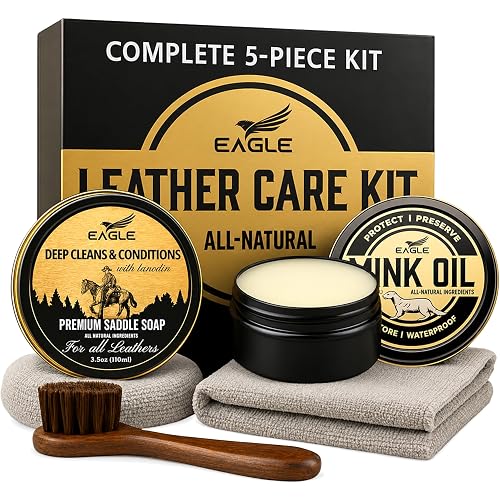
- A pH-neutral leather cleaner or saddle soap (for leather boots)
- A leather conditioner or cream appropriate to your boot type
- Cedar boot trees or stuffed newspaper for drying shape
- A suede eraser or suede brush (for suede and nubuck)
Step-by-Step: Cleaning Leather Boots
Step 1: Remove the Laces and Insoles
Take out the laces and insoles so you can reach the tongue, eyelets and footbed. Wash laces separately by hand in lukewarm water with a drop of mild detergent, then air dry them.
Step 2: Brush Off Dry Dirt
Before any moisture touches the boot, brush away loose dust and grit. Work in short strokes from the sole upward, and pay attention to the welt and seams where grit collects. Dry dirt pressed into wet leather can scratch the surface.
Step 3: Test the Cleaner
Dampen a cloth, wring it until it is barely wet, and dab a small hidden area such as the inside of the tongue. Wait a few minutes and check for darkening, stiffness or residue. If the test area looks fine, proceed.
Step 4: Clean in Small Sections
Apply a small amount of leather cleaner or saddle soap to your damp cloth, not directly to the boot. Wipe in gentle circular motions, working one panel at a time. Keep the surface only lightly damp. If you see a lather, you are using too much product.
Step 5: Wipe Away Residue
Use a second cloth dampened with plain water to remove soap film. Leftover cleaner can dry into a white haze and attract dirt.
Step 6: Dry Slowly at Room Temperature
Stuff the boots with newspaper or insert cedar trees to hold their shape. Keep them away from radiators, heaters, fireplaces and direct sun. Leather that dries too fast cracks and stiffens. Allow 12 to 24 hours depending on how wet they got.
Step 7: Condition the Leather
Once the boots are completely dry, apply a thin layer of conditioner with a clean cloth. Let it absorb for the time listed on the product, then buff with a dry cloth. Conditioning restores flexibility and helps the leather shed water.
Cleaning Suede and Nubuck
Suede and nubuck respond badly to water and most soaps. The safest routine is mechanical:
- Brush in one direction with a suede brush to lift the nap.
- Rub stains gently with a suede eraser or crepe block, using light pressure.
- For stubborn marks, use a dedicated suede cleaner applied sparingly. Read the directions and test first.
- Brush again to restore texture. Protect with a suede protector spray when the boots are dry.
If a suede boot gets soaked, let it dry naturally at room temperature, then brush once it is fully dry. Do not rush it with heat.
Cleaning Synthetic and Textile Boots
Synthetic uppers usually handle lukewarm water and mild detergent well. Brush off loose dirt, scrub gently with a soft brush and a small amount of detergent, rinse with a damp cloth, and air dry. Some lightweight hiking and fashion boots are labeled machine washable, but many manufacturers specify hand washing only because machines can break down glue, midsoles and waterproof membranes. Follow the care label.
Cleaning Rubber Soles and Welts
Use a stiff brush with warm water and mild soap. Scrub the lugs and the welt where mud and salt build up. Rinse and dry. Avoid acetone, nail polish remover and harsh degreasers, which can soften or discolor rubber and some adhesives.
Common Mistakes
- Using dish soap or household cleaners. These strip natural oils from leather and can leave a film.
- Soaking the boots. Water wicks into the lining, midsole and stitching, and can loosen glue.
- Drying near heat. Hair dryers, ovens and radiators cause cracking and shrinkage.
- Scrubbing hard. Pressure rubs off the finish and can fuzz suede.
- Skipping conditioner on leather. Cleaning removes some oils, so leather that is cleaned but not conditioned dries out over time.
- Applying products to a wet boot. Conditioner and protectors work best on dry material.
- Ignoring the care label. Some makers specify materials or cleaners that should not be used.
Tips for Keeping Boots Clean Longer
- Brush boots after each wear, before dirt sets in.
- Apply a waterproofing treatment suited to the material once or twice a season.
- Rotate pairs so each boot has time to dry out between wears.
- Store boots with trees or stuffing and keep them out of damp basements or hot cars.
- Clean salt residue from winter boots soon after exposure, since salt can dry leather and stain it white.
Recommended gear
A horsehair brush is useful because its bristles lift dirt without scratching leather. Look for a leather conditioner made for your boot type, since cream and oil formulas behave differently on smooth and oiled leather. Cedar boot trees help the boot keep its shape while drying. For suede, a dedicated suede eraser lets you lift marks without wetting the nap.
- Horsehair boot brush for dry dirt removal View on Amazon
- Leather conditioner cream for smooth leather boots View on Amazon
- Cedar boot trees for shaping during drying View on Amazon
- Suede eraser for lifting stains without water View on Amazon
FAQ
Can I use water on leather boots?
A lightly damp cloth is generally safe on smooth leather, provided you dry the boots slowly and condition them afterward. Avoid soaking.
Is saddle soap safe for all boots?
Saddle soap is typically used on smooth leather. It is not appropriate for suede, nubuck or most synthetic materials. Check the maker’s guidance.
How do I remove salt stains from boots?
Wipe the area with a cloth dampened with a mix of equal parts water and white vinegar on leather, then dry and condition. Test in a hidden spot first, and follow the maker’s care instructions if you are unsure.
Can I put boots in the washing machine?
Only if the manufacturer says so. Many boots are hand wash only because machines can damage adhesives, linings and waterproof components.
How often should I clean my boots?
Brush them after each wear, and do a full clean whenever they look soiled or after exposure to mud, salt or rain. Frequent light care is gentler than occasional heavy cleaning.
Why did my leather boots crack after cleaning?
Most cracking comes from drying too quickly near heat, or from skipping conditioner. Let boots dry at room temperature and condition them once dry.
Should I waterproof boots before or after cleaning?
After. Waterproofing products bond best to clean, dry material. Apply them according to the product directions.
When should I take boots to a professional?
If boots have heavy staining, mold, or damaged stitching, or if they are valuable or specialty footwear, a professional cobbler or leather care service can assess them. Consult a professional before attempting repairs on expensive or vintage pairs.
Conclusion
Cleaning boots without damaging them is mostly a matter of restraint: match the method to the material, use little moisture, dry slowly and condition leather afterward. Brushing regularly prevents most of the buildup that makes deep cleaning necessary. When in doubt, test a hidden area and follow the manufacturer’s care label.
Related reading
- 7 Best Winter Hiking Boots for Cold, Wet Trails: Picks Compared (2026)
- 7 Best Leather Fashion Boots for Everyday Style (2026)
- 7 Best Insulated Winter Boots for Snow and Cold Weather (2026)
- 6 Best Work Boot Accessories for Comfort and Protection (2026)
- 6 Best Winter Boot Accessories: Picks for Warm, Comfortable Feet
- 6 Best Waterproof Work Boots for Wet Jobsites: Top Picks (2026)
- 6 Best Lace-Up Fashion Boots for Women: Picks Compared (2026)
- 6 Best Hiking Boot Accessories for Winter Trails and Wet Terrain