As an Amazon Associate I earn from qualifying purchases.
Updated November 2026
A boot maintenance guide for longer lasting boots comes down to a few repeatable habits: clean off grit before it works into the leather, condition the material so it stays flexible, dry boots correctly after they get wet, and store them so the shape holds. Follow the routine below and you should get more seasons out of a pair of work boots, hiking boots or fashion lace-up boots, and catch small problems before they become expensive ones.
Why Boots Wear Out Faster Than They Need To
Most boots fail in predictable ways. The leather dries and cracks at the flex points across the vamp. Stitching lets go at the heel counter. The sole separates from the upper, or the tread wears flat. Water, salt, road grime and heat speed up all of these. Neglect is usually the real cause: dirt sits on the leather and abrades it every time you flex the boot, and a boot that gets dried out by a heater or a car dashboard loses its oils quickly.
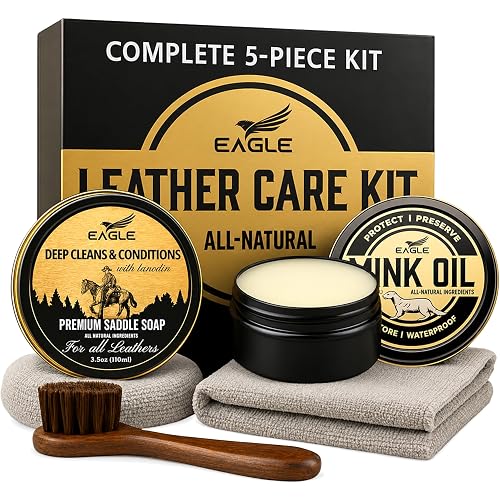
Shopping for one? See our guide: 6 Best Boot Care Gift Sets: Top Picks for Leather Boots (2026).
Maintenance is not about making boots look new. It is about slowing the damage that comes from use, weather and storage. A boot that is cleaned, conditioned and dried properly will keep its waterproofing, its fit and its structure far longer than one that is only worn until it looks bad.
What You Need Before You Start
You do not need a large kit. For most leather and rubber boots, the following covers almost every task:
- A stiff horsehair or nylon brush for dirt and dried mud
- A soft cloth and a bowl of lukewarm water
- A mild leather cleaner made for boots, not dish soap or household cleaners
- A leather conditioner or wax suited to your boot material
- Cedar shoe trees or stuffing paper for drying and storage
- A soft applicator cloth and a clean buffing cloth
- A toothbrush and a plastic scraper for stitching and sole edges
Check the care label or the manufacturer’s care instructions before you use any product. Some suede and nubuck boots, some waxed canvas boots and some boots with synthetic uppers need specific cleaners, and a product that suits full-grain leather can strip the finish or darken suede.
Step-by-Step Routine for Regular Maintenance
Step 1: Remove Loose Dirt and Debris
Knock the boots together sole to sole to dislodge dried mud. Then use the stiff brush to work across the upper, along the welt and into the lace eyelets. Grit trapped in the seams acts like sandpaper, so getting it out early matters more than most people expect.
Step 2: Clean the Upper
Dampen the cloth in lukewarm water, wring it out well, and add a small amount of boot cleaner. Work in small circles, and wipe the surface clean with a second damp cloth. Avoid soaking the leather. Let the boots air dry away from heat for several hours before the next step.
Step 3: Clean the Sole, Welt and Stitching
Use the toothbrush to clear the welt and the seam where the sole meets the upper. Pick out packed debris with the plastic scraper, taking care not to cut into the stitching. Rinse the sole with plain water and dry it fully. Salt residue from winter roads is especially hard on stitching and should be rinsed off after every wet day.
Step 4: Condition the Leather
Conditioning replaces oils lost during wear and drying. Apply a thin, even layer with the applicator cloth, working into the flex areas at the toe box and ankle. Leave it to absorb for the time the product label specifies, then buff with a clean cloth. More is not better: heavy layers can clog the grain, attract dirt and make the boot feel greasy.
Step 5: Protect Against Water
If the boots are used outdoors, apply a waterproofing product suited to the material after conditioning. Many manufacturers specify different products for smooth leather, nubuck, suede and synthetic uppers, and some products are not compatible with each other, so stick to one line where possible. Test on a hidden area first. Reapply when water stops beading on the surface.
Step 6: Dry Properly
Never dry boots next to a radiator, woodstove, heat gun or dryer. Direct heat shrinks and hardens leather, cracks the finish and can warp the sole. Stuff the boots with newspaper or insert cedar shoe trees, then leave them at room temperature. Replace the stuffing once it becomes damp, which may take a few changes over a day or two.
Step 7: Store Them Correctly
Store boots upright with the shafts supported, out of direct sunlight and away from damp basements or unheated garages. Keep the laces loosened and the tongues pulled forward so the leather can breathe. Cedar shoe trees help absorb moisture and keep the toe box shaped. If you store boots in a bag, make sure they are completely dry first to prevent mildew.
Maintenance Schedule by Use
How often you need to do each task depends on how and where you wear your boots. The table below is a general guide, not a fixed rule.
| Boot use | Clean | Condition | Waterproof | Inspect the sole and stitching |
|---|---|---|---|---|
| Daily city wear, dry climate | Every 2 to 4 weeks | Every 1 to 2 months | As needed | Every few months |
| Daily work in mud, salt or grit | Weekly | Every 2 to 4 weeks | Every 1 to 2 months | Monthly |
| Hiking and trail use | After each wet or muddy outing | Every 1 to 2 months | Before each season and after heavy rain | After each trip |
| Occasional or weekend wear | After use | Twice a year | Before storage | Before storage |
Inspect for Early Damage
A quick inspection once a month catches problems that are cheap to fix. Check the following:
- Flex the boot at the toe and ankle and look for cracks in the finish.
- Press along the welt and the heel counter for loose stitching or lifting.
- Look at the sole edge for separation and check the heel for uneven wear.
- Check the lace eyelets and hooks for loose or bent metal.
- Smell the inside for mildew, which often signals trapped moisture.
If you find separation, deep cracks or stitching that is broken in several places, have a cobbler or boot repair shop assess the boot before the damage spreads. Resoling and stitch repair often cost less than replacing a well-made pair.
Common Mistakes
- Using dish soap or household cleaners that strip oils and leave residue.
- Drying boots near heat, which is one of the fastest ways to crack leather.
- Over-conditioning, which can clog the grain and make boots collect dirt.
- Waiting too long between cleanings, letting grit work into the flex points.
- Storing damp boots in a closed bag or box, which encourages mildew.
- Mixing waterproofing products that are not compatible with the boot material.
- Ignoring small stitching problems until a seam fails completely.
Tips for Making Boots Last
- Rotate two pairs if you wear boots daily, so each pair has time to dry fully between wears.
- Use boot trees from the start, not only when a boot starts to look tired.
- Wipe boots after every wet day, even if they look clean.
- Keep a small maintenance log to track when you last conditioned and waterproofed each pair.
- Replace worn laces before they fray, since a broken lace can leave you with an unstable fit.
- Have heels and soles replaced early, before the upper is damaged.
Recommended gear
A stiff horsehair brush is one of the most useful tools for removing grit from the welt and the seams without scratching the leather. Look for a brush with firm bristles and a comfortable handle, and reserve it for boot care so dirt does not transfer from other jobs. View on Amazon
Cedar shoe trees help absorb moisture from inside the boot and keep the toe box from creasing during storage. Choose a pair sized to your boots so the trees fill the shape without forcing the leather. View on Amazon
A leather conditioner formulated for boots replenishes the oils that wear and drying remove. Use a product labeled for your boot material, and apply it in thin layers. View on Amazon
FAQ
How often should I clean my boots?
Clean them after each muddy, salty or wet outing. For boots used in dry conditions, a cleaning every few weeks is usually enough to keep grit from building up.
Can I use shoe polish instead of conditioner?
Polish mainly adds color and shine, while conditioner replenishes oils in the leather. For longevity, conditioner is the more important product. Many people use both, but apply conditioner first.
How do I dry boots that got soaked?
Remove the laces, wipe off surface water, and stuff the boots with newspaper or insert cedar shoe trees. Let them dry slowly at room temperature, changing the stuffing as it becomes damp. Keep them away from heaters and direct sun.
Does waterproofing make boots last longer?
Waterproofing protects the leather from moisture that can cause staining, stiffening and mildew. It does not replace cleaning and conditioning, and it needs to be reapplied as it wears off.
How often should I condition leather boots?
Most boots benefit from conditioning every one to two months during regular wear, and before storage. Boots in very dry or very wet climates may need it more often.
Can I repair a sole that is coming loose?
Minor edge separation can sometimes be addressed with a boot adhesive made for leather and rubber, but a deep separation should be repaired by a professional cobbler. A repair shop can also check whether the stitching and welt are sound.
What should I do if my boots start to mildew?
Wipe the affected area with a cloth lightly dampened with a solution suited to your boot material, then dry the boots completely in a ventilated area. Store them in a drier place afterward. If the mildew is widespread or the leather is soft and discolored, consult a boot repair professional before using any strong product.
Conclusion
Longer boot life comes from simple, consistent habits: remove grit, clean gently, condition the leather, protect against water, dry slowly and store properly. A monthly inspection will catch small problems early, when repairs are straightforward. Start with the routine above and adjust the schedule to how and where you wear your boots.
Related reading
- 7 Best Winter Hiking Boots for Cold, Wet Trails: Picks Compared (2026)
- 7 Best Leather Fashion Boots for Everyday Style (2026)
- 7 Best Insulated Winter Boots for Snow and Cold Weather (2026)
- 6 Best Work Boot Accessories for Comfort and Protection (2026)
- 6 Best Winter Boot Accessories: Picks for Warm, Comfortable Feet
- 6 Best Waterproof Work Boots for Wet Jobsites: Top Picks (2026)