
As an Amazon Associate I earn from qualifying purchases.
Updated November 2026
Choosing the best hiking boot accessories comes down to three things: the conditions you actually hike in, how well each add-on fits your existing footwear, and how durable it is after repeated use. This list covers traction devices for ice and packed snow, boot gaiters that keep snow and debris out, and trekking pole tips that protect both your boots and your trail surfaces. Each pick was assessed on manufacturer specifications, brand reputation and the patterns owners tend to report, not on personal testing.
Our top picks at a glance
- 1
 TOP CHOICEBest overallCimkiz Crampons Ice Cleats Traction Snow GripsView on Amazon
- 2
 TOP CHOICEBest for full leg coverageUnigear Leg Gaiters 1000D Waterproof Boot GaitersView on Amazon
- 3
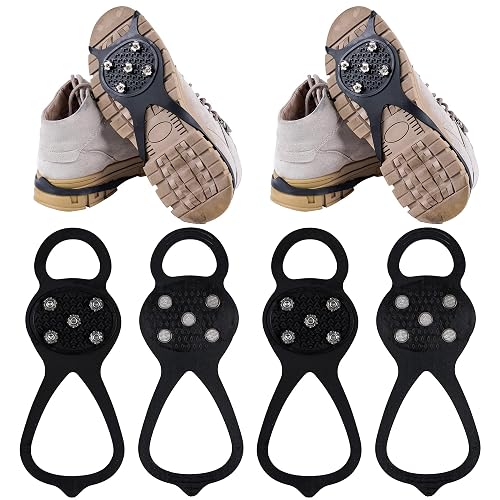 TOP CHOICEBest for steep, icy climbsMicrospikes Micro Spikes for Hiking ShoesView on Amazon
- 4
 Best for everyday winter walksWalk Traction Cleats Anti Slip CramponsView on Amazon
- 5
 Best for ankle protectionLeg Gaiters Low Gaiters Ankle GaitersView on Amazon
- 6
 Best budget pick for polesWalking Stick Tips Rubber Trekking Pole TipsView on Amazon
Our Top Picks
| Product | Best for | Key feature |
|---|---|---|
| Cimkiz Crampons Ice Cleats Traction Snow Grips | Mixed winter trails and icy sidewalks | 19 stainless steel spikes |
| Unigear Leg Gaiters 1000D Waterproof Boot Gaiters | Snow hiking and hunting | 1000D fabric with full boot coverage |
| Microspikes Micro Spikes for Hiking Shoes | Steep, icy terrain | 5 steel studs per spike |
| Walk Traction Cleats Anti Slip Crampons | Everyday winter walking | Rubber-and-steel spike design |
| Leg Gaiters Low Gaiters Ankle Gaiters | Light snow and trail debris | Adjustable low-profile coverage |
| Walking Stick Tips Rubber Trekking Pole Tips | Protecting boots and trail surfaces | Four replacement rubber tips |
Cimkiz Crampons Ice Cleats Traction Snow Grips
Cimkiz Crampons Ice Cleats Traction Snow Grips for Boots Shoes Women Men Anti Slip 19 Stainless Steel Spikes Safe Protect for Hiking Fishing Walking Climbing Mountaineering
Best for: Mixed winter trails and icy sidewalks
This is a good fit for hikers who move between snowy trails, icy pavement and packed trail sections and want one traction device that covers all of them. It is designed to slip over a range of footwear, including hiking boots and shoes.
Key specs
- 19 stainless steel spikes per device, as stated in the listing
- Listed for hiking, fishing, walking and mountaineering use
- Designed for men and women
Pros
- Spike count gives broad contact on packed snow and ice
- Stainless steel construction is widely preferred for corrosion resistance
- Works across a wide range of footwear styles
Cons
- Full-length spikes can feel aggressive on bare pavement
- Fit with very stiff or unusually shaped soles can require adjustment
Bottom line: A strong first traction purchase for hikers who need one versatile set for winter trails and town walking.
Unigear Leg Gaiters 1000D Waterproof Boot Gaiters
snow gaiters, durable 1000D fabric, waterproof boot coverage for walking, climbing, hunting, skiing and outdoor use Unigear Leg Gaiters, 1000D Waterproof Boot Gaiters for Hiking Snow Hunting
Best for: Snow hiking and hunting
Hikers who regularly cross deep snow, wet brush or slushy ground will benefit most from full-length gaiters that cover the boot top and lower leg. These suit people who want protection above the ankle rather than just at the boot opening.
Key specs
- 1000D fabric, as stated in the listing
- Marketed as waterproof boot coverage
- Intended for walking, climbing, hunting and skiing
Pros
- Full-height coverage keeps snow out of boot tops
- Heavy-denier fabric suits rough terrain
- Useful across several outdoor activities
Cons
- Bulkier than low gaiters, which can matter in warm weather
- Fit depends on calf size and boot height, so check measurements before buying
Bottom line: Best for winter hikers who need serious snow and wet-ground protection above the ankle.
Microspikes Micro Spikes for Hiking Shoes
Microspikes Micro Spikes for Hiking Shoes 5 Steel Studs Gripper Spikes for Shoes Durable Crampons for Winter Hiking Climbing 2Pairs Ice Cleats for Shoes and Boots Ice Spikes Crampons for Hiking Boots
Best for: Steep, icy terrain
These suit hikers who face hard ice and steep grades and want a more secure bite than general-purpose cleats provide. They are a practical choice for winter hiking where footing matters most.
Key specs
- 5 steel studs per spike, as stated in the listing
- Sold as a 2-pair set
- Designed for hiking, climbing and winter use
Pros
- Steel studs grip hard, glazed ice well
- Two pairs in one listing offer a spare or a second pair of boots
- Designed with winter hiking use in mind
Cons
- Studded design is less comfortable on bare rock and pavement
- Requires careful removal before entering buildings to avoid floor damage
Bottom line: A good choice for experienced winter hikers who regularly encounter hard ice on steep trails.
Walk Traction Cleats Anti Slip Crampons
Walk Traction Cleats,Ice Cleats Anti Slip Crampons Rubber Spikes Ice Snow Grippers for Boots and Shoes for Winter Walking on Snow and Ice Climbing Hiking Mountaineering 2PCS for Man and Woman
Best for: Everyday winter walking
Walkers and light hikers who mainly need protection on slippery sidewalks, parking lots and packed snow will find this type easy to live with. It is a sensible pick when you do not want heavy-duty spikes for every outing.
Key specs
- Rubber-and-steel spike design, per the listing
- 2-piece set for man and woman use
- Marketed for winter walking, climbing and mountaineering
Pros
- Lighter and easier to pull on than full crampons
- Suitable for daily winter errands as well as trail use
- Rubber elements can soften contact on dry pavement
Cons
- Less bite on hard, deep ice than steel-focused designs
- Sizing across shoe widths can be tight, so check the fit range
Bottom line: Suits hikers and walkers who want light, everyday traction rather than aggressive mountain-grade spikes.
Leg Gaiters Low Gaiters Ankle Gaiters
Leg Gaiters,Low Gaiters,Ankle Gaiters,Snow Boot Guard, Waterproof, For Hiking, Hunting, Running, Snow, Mountain Climbing Adjustable Gators for Hiking Boots,Lightweight Shoe Gaiters
Best for: Light snow and trail debris
Hikers who want to keep snow, sand, and small debris out of their boot openings without the bulk of full-length gaiters will find low and ankle styles more comfortable. They are well suited to moderate trails and shoulder-season hiking.
Key specs
- Adjustable fit, as stated in the listing
- Lightweight design
- Marketed for hiking, hunting, running and mountain climbing
Pros
- Low profile is comfortable on warmer hikes
- Adjustable straps help with varied boot sizes
- Easy to pack in a daypack
Cons
- Offers less protection in deep snow than full-height gaiters
- Strap wear can occur with frequent use, as owners often note
Bottom line: A versatile, lightweight option for hikers who need debris and light snow protection without full leg coverage.
Walking Stick Tips Rubber Trekking Pole Tips
Walking Stick Tips Rubber 4pcs Trekking Pole Tips Replacement- Rubber Feet for Hiking Poles, Walking Sticks, Trekking Poles | Rubber Tip for Walking Sticks Hiking Trekking Poles Boot Tips Rubber Feet
Best for: Protecting boots and trail surfaces
Anyone who uses trekking poles on paved or mixed surfaces will appreciate rubber tips that prevent slipping and reduce noise. This pick is also useful for replacing worn tips on existing poles.
Key specs
- 4 pieces per pack, per the listing
- Rubber construction
- Designed as replacement tips for hiking poles and walking sticks
Pros
- Affordable way to refresh worn pole tips
- Rubber grips well on pavement and wet rock
- Reduces trail surface damage compared with bare metal
Cons
- Rubber wears faster on abrasive rock than metal carbide tips
- Fit varies by pole diameter, so measure before ordering
Bottom line: Best for trekking-pole users who want inexpensive, practical replacement tips for mixed terrain.
Buying Guide
Traction type: spikes, cleats or crampons
Traction devices differ mainly in spike length and material. Cleats with short rubber or steel elements suit packed snow and icy sidewalks. Longer steel-studded spikes suit hard, glazed ice on steep grades. Manufacturers typically recommend matching the device to the most common surface you will face, not the rarest.
Good picks for this: Cimkiz Crampons Ice Cleats Traction Snow Grips, Walk Traction Cleats Anti Slip Crampons
Stud material and count
Stainless steel is widely preferred for corrosion resistance, while spike count affects how evenly the device bites into the surface. Check the listing for the number of studs or spikes per device and the material it states.
Good picks for this: Microspikes Micro Spikes for Hiking Shoes, Cimkiz Crampons Ice Cleats Traction Snow Grips
Fit and boot compatibility
Traction devices and gaiters depend on your boot’s sole length, width and shape. Measure your boot’s sole from heel to toe and compare it to the listed size range. Check whether the device attaches over the toe box and heel, and whether the sole is stiff enough for a secure fit. Mismatched sizes are one of the most common complaints owners report.
Good picks for this: Walk Traction Cleats Anti Slip Crampons, Unigear Leg Gaiters 1000D Waterproof Boot Gaiters
Gaiter height and coverage
Low and ankle gaiters keep out light debris and small amounts of snow. Full-height gaiters cover the lower leg and suit deep snow or wet brush. Choose height based on your typical conditions. Higher coverage adds warmth and protection but also weight and heat.
Good picks for this: Unigear Leg Gaiters 1000D Waterproof Boot Gaiters, Leg Gaiters Low Gaiters Ankle Gaiters
Fabric and waterproofing
For gaiters, fabric denier and construction matter. Heavier denier fabrics generally resist abrasion better. Confirm the listing states waterproof construction if you expect wet snow. Seams and closures are where water usually enters, so inspect them before buying.
Good picks for this: Unigear Leg Gaiters 1000D Waterproof Boot Gaiters, Leg Gaiters Low Gaiters Ankle Gaiters
Durability and wear
Rubber elements wear faster on abrasive rock, and straps can loosen with repeated use. Owners often report that replacing worn straps or tips is cheaper than replacing the whole accessory. Look for replaceable parts when available, and inspect spikes and straps after each trip.
Good picks for this: Walking Stick Tips Rubber Trekking Pole Tips, Microspikes Micro Spikes for Hiking Shoes
Care and storage
Dry traction devices and gaiters after use to prevent corrosion and mildew. Store steel spikes in a dry bag, and keep gaiters away from direct heat, which can degrade some fabrics. Remove spikes before entering buildings to protect indoor flooring.
Good picks for this: Cimkiz Crampons Ice Cleats Traction Snow Grips, Leg Gaiters Low Gaiters Ankle Gaiters
FAQ
Are hiking boot traction devices the same as crampons?
Not exactly. Crampons are typically heavier, with longer steel points for technical mountain use. Ice cleats and microspikes are lighter, designed for trails and packed snow. For most day hikers, a lighter traction device is sufficient.
How do I know what size traction device to buy?
Measure your boot sole length and width, then compare to the size range stated in the listing. If you are between sizes, consult the manufacturer’s sizing guidance. Ill-fitting devices can slip or stress the attachment points.
Do gaiters make boots waterproof?
No. Gaiters protect the boot opening and lower leg from snow and debris, but they do not replace a waterproof boot. Their effectiveness depends on fit and how well they seal at the boot top.
Can I wear traction devices on pavement?
Steel spikes can damage pavement and feel unstable on dry surfaces. Remove them when walking on bare pavement or indoors. Rubber-based cleats are generally more comfortable for mixed use.
Do rubber trekking pole tips fit all poles?
Most replacement tips are sized for specific pole diameters. Measure your pole’s shaft diameter before ordering and check the listing’s fit range. Many owners report that a snug fit with a slight press is best.
How often should I replace traction devices?
Replace spikes or cleats when studs are visibly worn, bent or missing. Inspect straps and rubber elements regularly. Replacement timing depends on how often you use them and on the surfaces you cross.
Conclusion
For a single all-around traction device, the Cimkiz Crampons Ice Cleats Traction Snow Grips suit mixed winter conditions. Hikers facing hard, steep ice may prefer the Microspikes Micro Spikes for Hiking Shoes. Light everyday walkers can consider the Walk Traction Cleats Anti Slip Crampons. For snow and wet-ground protection, the Unigear Leg Gaiters 1000D Waterproof Boot Gaiters offer full-height coverage, while the lighter Leg Gaiters Low Gaiters Ankle Gaiters suit warmer or moderate trails. The Walking Stick Tips Rubber Trekking Pole Tips round out the list for pole users who need inexpensive replacement tips. Match each accessory to your most common terrain, check sizing against your boots, and inspect gear regularly.
Sources
- Consumer product safety information and recall notices that can apply to outdoor gear (cpsc.gov)
- Trail conditions, winter hiking guidance and safety recommendations from national park services (nps.gov)
- Forest and winter weather information relevant to planning backcountry trips (usda.gov)
Related reading
- 6 Best Boot Care Products: Picks for Leather, Suede and Work Boots
- 6 Best Boot Care Gift Sets: Top Picks for Leather Boots (2026)
- 5 Best Boot Inserts for All-Day Comfort: Picks Compared (2026)
- 10 Best Leather Conditioners Compared: Top Picks for Boots and Bags
- 10 Best Boot Brushes for Cleaning Leather, Horsehair and Work Boots
- 10 Best Shoe Organizers for Closets and Entryways: 10 Compared (2026)

